Pressure Injuries (Bedsores) Treatment in Greater Valley Area
Pressure Injuries (Bedsores) Treatment Near You
When someone stays in one position too long, a sore can start quietly and then worsen quickly. At Rampertab Podiatry On Site Podiatry Serving The Greater Valley Area, we provide pressure injuries (bedsores) treatment in Greater Valley Area for patients who need careful wound care without the stress of repeated travel. Pressure injuries can become deep, painful, and infected if they are not managed properly, especially in people who are bedridden, use a wheelchair, or have limited mobility.
If you are looking for pressure injuries (bedsores) treatment near you, we bring care directly to the patient. Our providers travel to homes and facilities, which helps remove transportation barriers and makes treatment easier for elderly patients and people with mobility limitations. We use a mobile care model that allows us to closely monitor wounds and provide treatment where patients are most comfortable.
What Is Pressure Injury Treatment?
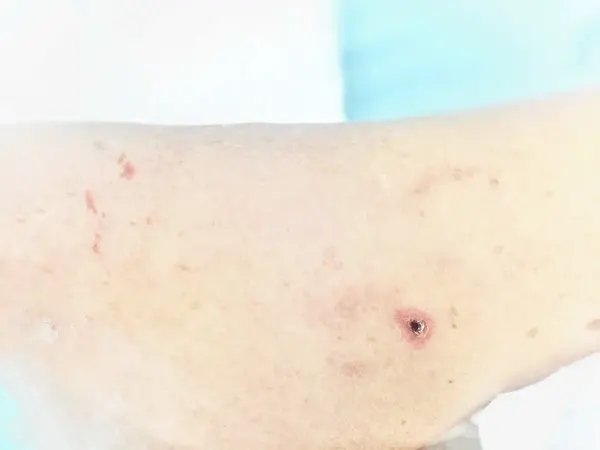
Pressure injuries, also called bedsores or pressure ulcers, occur when constant pressure reduces blood flow to the skin and underlying tissues. These wounds often affect people who spend a lot of time in bed or sitting, and they usually appear on the heels, hips, tailbone, and other areas under pressure. Getting care early is important because these injuries can get worse and become harder to heal over time.
Treatment means more than covering the sore. We evaluate the wound itself, the amount of pressure on the area, the condition of the surrounding skin, drainage, circulation, and any signs that healing is slowing down. Then we build a plan around what the wound actually needs.
Why Bedsores Need Prompt Care
Pressure injuries often start with redness, changes in skin texture, swelling, warmth, or a sore spot that does not get better when pressure is removed. If the pressure persists, the skin and deeper tissues can break down. People who have limited mobility, fragile skin, poor nutrition, poor blood flow, or incontinence are at higher risk.
Here is what early treatment helps us do:
Relieve Pressure
We work to reduce the force that is keeping the sore from healing.
Protect the Skin
We help protect the wound and nearby tissue from further breakdown.
Watch for Infection
We look for warning signs before the problem becomes more serious.
Track Healing
We monitor changes over time and adjust treatment when needed.
If you are looking for reliable pressure injuries (bedsores) treatment near you, we are a call away.
Our Mobile Care Model
One of the most useful parts of our service is that we come to the patient. That matters when someone is recovering from surgery, living in assisted living, staying in skilled nursing, or finding it hard to travel. Instead of asking the patient to manage rides to a clinic, we bring wound care directly to them.
Our care model includes:
Direct Visits
We travel to the patient for wound evaluation and treatment.
Facility-Based Care Delivery
We provide care in homes, rehab settings, assisted living, and similar care environments.
Reduced Transportation Barriers
We remove the stress of repeated outside appointments.
Consistent Follow-Up
We return as needed to check healing and update the plan.
Care Team Communication
We work with caregivers and facility staff to keep treatment on track.
Through on site podiatry in Greater Valley Area, we make wound care more practical for patients who need regular attention but cannot easily leave home or their care setting.
Smart Testing and Specific Treatment
Pressure injuries should not be treated with guesswork. We may use smart ABI testing, which includes vascular and neurological testing. This helps us understand blood flow and nerve health, both of which can affect healing. If circulation is poor, your wound may heal more slowly.
We also use specific wound care methods instead of the same plan for everyone:
Smart ABI Testing
We check circulation and nerve function to better understand healing barriers.
Specialized Dressings
We choose dressings based on drainage, tissue condition, and wound depth.
Pressure-Relieving Devices
We use pressure relief strategies when repeated pressure is slowing recovery.
Skin Substitutes
We may recommend advanced materials to support healing in certain chronic wounds.
Targeted Monitoring
We keep track of changes so treatment can be adjusted quickly.
This makes our pressure injuries (bedsores) treatment in Greater Valley Area more than routine wound care. It is a treatment approach built around the wound’s actual condition.
Our Wound Care Philosophy
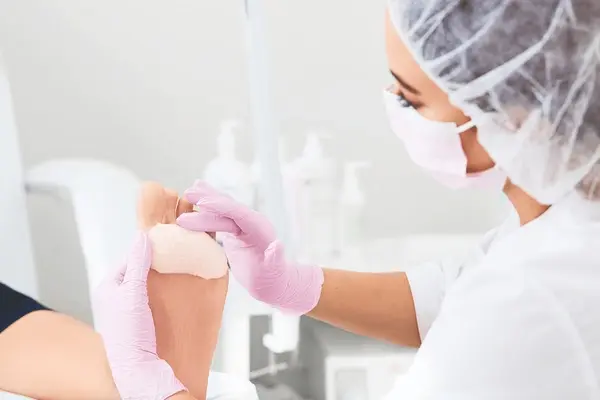
Every pressure injury is different, so we adjust your treatment. If a wound is too wet, we use dressings to reduce moisture. If it is too dry, we add moisture to help healthy tissue grow. Wounds heal best when the moisture balance is just right. This individualized approach is a practical part of our pressure injuries (bedsores) treatment because moisture problems can slow healing in either direction.
This approach helps us:
Support Healthy Tissue Growth
The wound gets the moisture balance it needs.
Reduce Wound-Related Problems
Too much moisture or too little can both slow healing.
Improve Comfort
The right dressing can reduce irritation and protect nearby skin.
Support Steady Healing
We adjust treatment as the wound changes.
Our mobile podiatrist in Greater Valley Area helps patients receive steady care in a safe and familiar setting while we adjust treatment step by step.
Get Help for a Pressure Injury Before It Gets Worse
At Rampertab Podiatry On Site Podiatry Serving The Greater Valley Area, we provide pressure injuries (bedsores) treatment in Greater Valley Area for patients who need attentive, individualized wound care. We bring treatment directly to the patient, use smart testing to guide decisions, and adjust care based on how the wound is healing.
Call us today at (602) 501-0328 to ask about pressure injuries (bedsores) treatment near you. We are here to help make wound care more accessible, more consistent, and easier to keep up with.
FAQs
What is a pressure injury?
A pressure injury, also called a bedsore or pressure ulcer, is a wound caused by prolonged pressure that reduces blood flow to the skin and tissue.
Who is most at risk for bedsores?
People who stay in bed or in a chair for long periods, older adults, and patients with limited mobility are at higher risk.
Do you travel to the patient?
Yes. Our providers travel directly to patients and provide care in homes and facility-based settings.
What are common signs of a pressure injury?
Common signs include skin color or texture changes, swelling, warmth, drainage, or an area that becomes painful or breaks open.
Can a pressure injury become serious?
Yes. If it is not treated, it can deepen, become infected, and lead to more serious health problems.